
Cars for Off-Roading
Ready to hit the trail without breaking your budget. This guide to the best used cars for off roading explains the features that matter most, how to evaluate condition, and which models consistently deliver strength, capability, and value. Whether you are eyeing a rugged body on frame SUV, a trail tuned pickup, or a compact crossover with real grip, you will find practical advice to choose wisely and drive confidently.
You can dive into trim differences, axle and transfer case basics, tire and suspension essentials, and ownership costs so you know what to expect after the purchase. For additional shopping help, visit used inventory, research insights on research-page-template, or compare categories like best used SUVs for off roading and best used trucks for off roading. When you are ready to explore options in person, check locations and meet our staff for expert guidance.
The right used off road vehicle blends proven durability, smart gearing, and protective hardware with comfort for daily driving. In this guide, you will learn how to spot trail ready features, evaluate modifications, and plan for maintenance. Explore related pages like value my trade for equity insights, payment options for budgeting, and used car buying checklist for confident decisions.
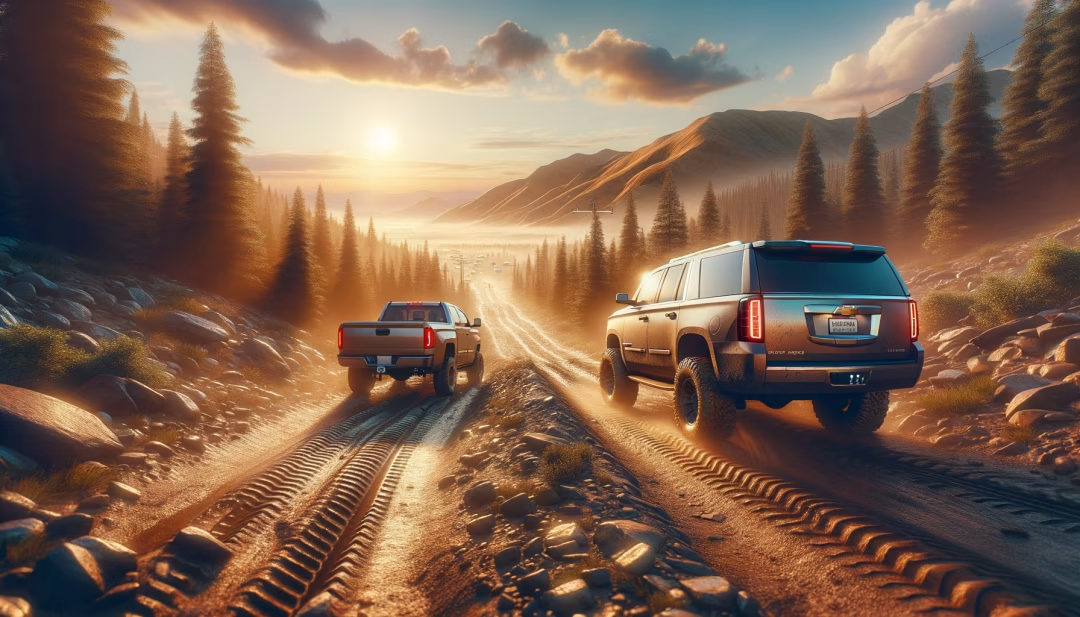
What makes a used car great for off roading
Off road driving demands more than big tires. The best used off road vehicles combine purposeful hardware, robust construction, and thoughtful engineering that protects critical components when the trail turns rough. Matching the terrain you plan to tackle with the strengths of each vehicle will save money and improve long term satisfaction.
- Ground clearance: More ride height helps clear rocks and ruts while preserving underside components.
- Approach, breakover, and departure angles: Shorter overhangs reduce scraping on steep grades and obstacles.
- Four wheel drive or advanced all wheel drive: Look for low range transfer cases, locking differentials, or terrain select modes when possible.
- Protection: Skid plates, tow hooks, recovery points, and rock rails protect and assist in recovery situations.
- Tires and suspension: All terrain or mud terrain tires, stout shocks, and well tuned springs improve traction and control.
If you are comparing systems, see used cars with four wheel drive and best used AWD vehicles to understand how each layout behaves in sand, snow, and rock.
Top used off road picks by category
Below are popular categories that balance capability with price. Inventory varies by region and season. For current availability, check used inventory and research-page-template for model level insights.
- Trail focused SUVs: See best used SUVs for off roading and best used off road SUVs for models with low range, strong angles, and protective hardware.
- Off road trucks: Explore best used trucks for off roading for pickups with lifted suspensions, locking diffs, and all terrain tires from the factory.
- All weather explorers: Check best used vehicles for winter driving and best used cars for snow for traction tuned options that excel on ice and slush.
- Budget friendly crossovers: Some compact AWD crossovers with quality tires and mild lifts can handle fire roads and light trails affordably.
Key features to prioritize
Choosing the right combination of drivetrain, gearing, and protection is more important than chasing the biggest tire or lift. Consider these features and use cases during your search.
- True low range 4x4: Essential for crawling and controlled descents on steep or rocky terrain.
- Locking differentials: Front, rear, or center locks distribute torque evenly when wheels lift or slip.
- All terrain tires: The single biggest upgrade for grip. Verify age and condition by checking the DOT date code.
- Skid plates and armor: Protect oil pan, transfer case, fuel tank, and vulnerable suspension pick up points.
- Winch ready mounts and recovery points: Secure factory or aftermarket recovery hooks and receiver points for safe recoveries.
How to inspect a used off road vehicle
Many capable models have seen trail time. A careful inspection will reveal whether a vehicle has been maintained or abused. Bring a flashlight and consider a pre purchase inspection. For a structured approach, review used car inspection checklist and used car buying checklist.
- Undercarriage and frame: Look for dents in skid plates, bent crossmembers, rust at welds, and fresh undercoating that might hide corrosion.
- Suspension and steering: Check bushings, ball joints, tie rod ends, and shock mounts for play or leaks. Inspect lift kits for proper geometry and brake line slack.
- Driveline: Test the 4x4 system, engage low range, and listen for binding. Inspect CV boots, u joints, and differential seals for leaks or damage.
- Tires and wheels: Uneven wear may indicate alignment or suspension issues. Confirm proper tire load rating and speed index.
- Electrical and recovery: Verify the function of auxiliary lighting, winches, air compressors, and added switches. Inspect wiring quality and fuse protection.
Test drive tips for trail ready vehicles
A test drive should include low speed evaluation and a check of the 4x4 system. If you can safely access a dirt or gravel surface, assess traction control behavior and suspension composure over small bumps. For appointment details, see schedule a test drive.
- Engage 4 high and low range, confirm smooth engagement, and note any clunks or warning lights.
- Listen for driveline vibrations at 25 to 45 mph which may point to worn u joints or unbalanced tires.
- Brake modulation on loose surfaces should remain controllable without excessive ABS chatter.
Budgeting, financing, and value
Off road vehicles can carry premiums for desirable trims, locking differentials, and factory performance packages. Plan for slightly higher maintenance and tire costs, then look for models with strong resale value. Use value my trade to estimate equity, and explore payment options to structure a budget that leaves room for accessories or tires. If you have questions about approvals, start with how to finance a used car and what credit score is needed to finance a used car.
Reliability and durability
Trail use exposes components to heat, dust, and impact. Focus on models known for powertrain longevity and robust chassis design. Cross reference pages like most reliable used SUVs, most reliable used trucks, and used cars known for durability. For predictable ownership costs, also review used vehicles with best warranty coverage and used cars with lowest maintenance costs.
Smart upgrades that improve capability
Modifications can unlock more capability, but balance your setup for the driving you actually do. The most cost effective upgrades often start with tires and protection, followed by suspension tuning. Discuss installation needs with schedule service if you want professional help.
- All terrain tires with reinforced sidewalls for rocky trails and mixed weather performance.
- Mild suspension lift or leveling kit to clear slightly larger tires without overextending driveline angles.
- Skid plates and rock sliders to protect vital components on moderate to difficult trails.
- Recovery gear such as soft shackles, kinetic rope, traction boards, and a properly rated hitch receiver shackle.
Safety and technology to look for
Modern safety features can make off road trips and daily commutes more comfortable. Look for hill descent control, trail cameras, and calibrated drive modes that enhance traction. To compare broader safety performance, visit used cars with best safety ratings and used cars with best crash test ratings.
Trail use cases and picks
Match your vehicle to your favorite terrain for the best experience and fewer repairs over time.
- Rocky trails and technical crawling: Prioritize low range gearing, lockers, strong skid plates, and short overhangs. See best used off road SUVs and best used trucks for off roading for options with factory armor.
- Sand and dunes: Seek wide tires, strong cooling systems, and traction control that allows wheel speed. Air down capability is helpful.
- Snow and ice: Consider systems tuned for cold weather grip. Explore best used vehicles for winter driving and best used cars for snow for traction focused picks.
- Towing and overlanding: Check payload, axle ratios, and cooling capacity. Cross shop best used vehicles for towing and best used vehicles for outdoor adventures.
Helpful research links
Use these resources to round out your search and compare choices.
Ownership tips to maximize reliability
Once you buy the right off road vehicle, consistent maintenance will keep it confident on the trail and calm on the highway. Create a simple service habit after each trip and a seasonal plan for deeper inspections.
- After trail wash: Rinse undercarriage, clean brakes, and inspect for packed mud near radiators and skid plates.
- Fluids: Track transfer case, differential, and transmission service intervals. Off road heat can shorten fluid life.
- Torque checks: Retorque lug nuts and inspect suspension bolts and recovery hardware after challenging trails.
- Tires: Rotate regularly and monitor pressures. Airing down for trails requires careful reinflation and balancing checks.
Frequently asked questions
Traction is king. A proven 4x4 system with low range and at least one locking differential will make the biggest difference on steep, loose, or rocky terrain. Combine that with quality all terrain tires and adequate ground clearance.
Condition and maintenance history matter more than mileage. Many body on frame vehicles run well past 200,000 miles with regular fluid changes and careful use. Review used cars that last over 200000 miles and request service records when possible.
Not always. Quality parts installed correctly can improve capability. Inspect geometry, brake lines, driveshaft angles, and alignment. Budget for higher tire, brake, and fuel costs. A pre purchase inspection is recommended for heavily modified vehicles.
For moderate to difficult trails, 4x4 with low range and locking differentials offers superior control and torque. Advanced AWD systems are excellent for light trails, gravel, and winter roads, especially with proper tires.
Expect higher costs for tires, alignment, brakes, and fluids. Skid plates and armor add weight that can lower fuel economy. Review used cars with lowest maintenance costs and used vehicles with best warranty coverage to manage long term expenses.
Warm the vehicle, stop, and shift into 4 high, then 4 low per the manual. Confirm the indicator lights, smooth engagement, and that the steering feels heavier in 4 high. Listen for binding or grinding and check for warning messages after cycling modes.
Start with a full size spare, tire inflator, recovery boards, soft shackles, rated tow strap, first aid kit, and a portable jump starter. Add a compact tool roll and gloves. These basics address most common trail situations safely.
Legal and policy information
For information about our policies and how we handle visitor data, read privacy policy, terms, and visitor agreement. If you have questions about team experience or store hours, visit meet our staff and locations.
Office Hours
Monday
Tuesday
Wednesday
Thursday
Friday
Saturday
9:00 am - 5:00 pm
9:00 am - 5:00 pm
9:00 am - 5:00 pm
9:00 am - 5:00 pm
9:00 am - 5:00 pm
Closed
